Author: janasue@gmail.com

  • How Artists Can Travel Light Without Losing Their Personal Style

    Travel can be especially inspiring for artists. A new city, different architecture, unfamiliar people, and changing landscapes can all become part of the creative process. At the same time, artists often need to carry more than the average traveler, from sketchbooks and cameras to notebooks, clothing, and small creative tools.

    The challenge is finding a way to travel light without giving up functionality or personal style.

    Build a Wardrobe Around Versatile Pieces

    Artists often develop a recognizable personal style, and travel does not have to disrupt that.

    Neutral trousers, relaxed shirts, lightweight jackets, and comfortable shoes can form the foundation of a compact travel wardrobe. Choosing pieces that work together makes it easier to create several outfits without packing too much.

    Texture can also play an important role. Denim, linen, leather, canvas, and soft knits can add personality even when the overall color palette remains simple.

    Choose a Bag That Fits the Creative Lifestyle

    A travel bag should feel practical, but it can also become part of your visual identity.

    A well-made leather duffel bag can suit creative travelers particularly well because it offers enough room for clothing, notebooks, headphones, and other everyday essentials while still looking refined. Leather also tends to develop more character with use, making the bag feel increasingly personal over time.

    For artists who value objects that age well and tell a story, that kind of detail can be part of the appeal.

    Keep Creative Tools Compact

    Not every trip requires a full studio setup.

    Instead of packing every tool you own, choose a small collection of essentials that match the type of work you expect to create while traveling. A compact sketchbook, a few pens, a lightweight camera, or a tablet may be enough.

    Reducing equipment can sometimes make the creative process more spontaneous because you are forced to work with what you have.

    Separate Art Supplies From Clothing

    Organization becomes especially important when carrying creative tools.

    Use small cases or pouches for pens, cables, memory cards, brushes, or other equipment. This keeps delicate items protected and prevents supplies from becoming mixed with clothing.

    Keeping your creative materials accessible also makes it easier to work during train rides, flights, or quiet moments in a café.

    Dress for Movement

    Artists traveling for inspiration may spend hours walking through neighborhoods, museums, galleries, markets, and outdoor spaces.

    Comfortable footwear and flexible clothing are therefore essential. The goal is to wear pieces that allow movement without making you feel underdressed when visiting a gallery opening, restaurant, or creative event later in the day.

    Layering is especially useful because it allows you to adapt quickly without returning to your accommodation.

    Let Accessories Carry Some Personality

    When you are traveling with a limited wardrobe, accessories can prevent outfits from feeling repetitive.

    A distinctive ring, watch, scarf, necklace, sunglasses, or hat can add character while taking up very little room. These smaller details are often enough to maintain a sense of personal style even when wearing the same basic pieces several times.

    Artists may also enjoy collecting accessories during their travels, turning functional items into reminders of specific places and experiences.

    Leave Space for What You Discover

    Creative trips rarely go exactly as planned.

    You may find a book at an independent shop, buy a print from a local artist, pick up unusual materials, or discover something worth bringing back to the studio. Leaving some extra room in your luggage makes these spontaneous purchases easier.

    It also reduces the stress of trying to force everything back into an overpacked bag at the end of the trip.

    Treat Travel as Part of the Creative Process

    For artists, travel is often more than simply moving between destinations. It can be a way to gather references, observe new environments, and break familiar routines.

    Packing thoughtfully supports that experience. With versatile clothing, compact creative tools, and reliable travel gear, it becomes easier to focus on the places, people, and ideas around you.

    Sometimes the most memorable creative inspiration comes from traveling with less and paying more attention to what you find along the way.

  • Using Accessories to Add Personality to Everyday Style

    Personal style is often built through details. While clothing provides the foundation of an outfit, accessories can introduce texture, contrast, and individuality without requiring dramatic changes. A simple chain, ring, bracelet, belt, or watch can completely change the way an otherwise basic outfit feels.

    This is especially true in casual, streetwear, punk, biker, and alternative fashion, where metal accessories are often used to create a stronger visual identity.

    Why Small Details Matter

    A well-planned outfit does not always need multiple layers or bold colors. Sometimes a few carefully chosen details are enough to make clothing feel more distinctive.

    Accessories are useful because they can be moved between outfits easily. A favorite chain or bracelet might work with jeans and a T-shirt one day, then with cargo pants and a jacket the next.

    This flexibility allows people to experiment with personal style without constantly buying new clothes.

    Adding Interest Around the Waist

    The waist and pocket area is an ideal place to introduce an accessory because it naturally draws attention without overwhelming the rest of the outfit.

    Chains attached to belt loops can add movement and metallic contrast, particularly when worn with darker jeans or neutral-colored trousers. For those interested in this type of look, a thoughtfully designed pants chain mens accessory can provide an easy way to introduce a street-inspired or alternative edge while still remaining practical enough for everyday wear.

    Depending on the design, the effect can range from subtle to bold.

    Choosing the Right Chain

    Chain thickness is one of the biggest factors in determining the overall appearance.

    A narrow chain creates a cleaner, more understated look. Medium-weight chains offer a noticeable accent without becoming the main focus of the outfit. Heavier chains, on the other hand, work particularly well for people who prefer punk, gothic, biker, or industrial-inspired styles.

    Length also matters. Shorter chains stay close to the hip and tend to appear more refined, while longer chains create more movement and visual impact.

    Pairing Chains With Denim

    Denim is one of the easiest fabrics to style with metal accessories.

    Classic blue jeans create a relaxed look, while black jeans can provide a sharper contrast with silver or polished metal. Distressed denim can further emphasize a rugged or alternative aesthetic.

    A straightforward combination might include:

    • Straight or relaxed-fit jeans
    • A plain T-shirt
    • Sneakers or boots
    • A casual jacket
    • One metal chain accessory

    Keeping the clothing relatively simple gives the accessory enough room to stand out naturally.

    Styling With Cargo Pants

    Cargo pants also work particularly well with chains because their utility-inspired design already includes pockets, seams, and other structural details.

    A chain can reinforce that functional appearance while giving the outfit additional texture. Neutral shades such as black, olive, gray, or beige can provide a versatile foundation.

    Pairing cargo pants with an oversized shirt, hoodie, or lightweight jacket can create an effortless streetwear look without requiring too many accessories.

    Coordinating Other Jewelry

    When wearing a chain around the waist, consider how it interacts with other jewelry.

    Metal finishes do not have to match perfectly, but repeating similar tones can make the overall outfit appear more intentional. Silver-tone chains, for example, can pair naturally with stainless steel watches, simple rings, or bracelets.

    If the waist chain is particularly large or detailed, keeping other jewelry minimal can create better balance.

    Alternatively, someone who prefers a more expressive style may choose several complementary metal accessories to build a stronger visual theme.

    Think About Comfort and Durability

    Accessories worn around the waist experience regular movement throughout the day, so durability should be considered alongside appearance.

    Strong clasps, secure connections, and quality metal construction can help prevent the chain from coming loose during everyday activities. The accessory should also be light enough to remain comfortable when walking or sitting.

    A chain that looks impressive but constantly catches on objects or feels excessively heavy may quickly become inconvenient.

    Choosing the right proportions can provide both style and practical wearability.

    Making an Outfit Feel Personal

    Fashion becomes more interesting when it reflects individual preferences rather than simply copying trends.

    Someone might prefer a subtle chain worn with clean denim, while another person may combine heavier accessories with boots, graphic shirts, and layered outerwear. Both approaches can work when the individual pieces feel connected.

    Experimenting with different chain lengths, materials, and clothing combinations can help determine what feels most natural.

    Building Style Through Accessories

    Developing a recognizable personal style does not necessarily require an expensive wardrobe. Accessories make it possible to change the character of familiar clothing with relatively small adjustments.

    A chain, belt, watch, or distinctive piece of jewelry can become a recurring element that helps tie different outfits together.

    By focusing on balance, comfort, and thoughtful coordination, even basic clothing can feel more expressive. Ultimately, the best accessories are those that enhance an outfit while fitting naturally into the wearer’s everyday style.

  • Acting For The Camera Camp

    usperformingcampaign4  
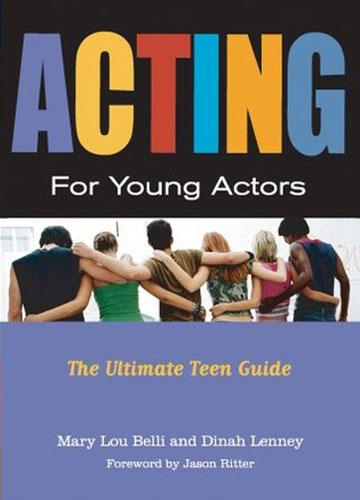
    [yellow-background-start] You get two for the price of one in this powerhouse workshop that I co-teach with actor Charles Dougherty. You’ll be directed by an Emmy-award-winning Hollywood director and coached by an actor whose resume boasts “Monk,” “The Middle,” “Bones” as well as 100+ TV commercials.  This unique class shows you the ins and outs of acting in front of the camera by ACTING IN FRONT OF THE CAMERA. You’ll study the close-up and explore how less is more in front of the lens. Using scenes from current film and television scripts, you’ll work on camera every day and learn by seeing your work played back in the studio. You’ll also watch clips of key moments of great film and TV performances.  We’ll go “on  location” where you can assist in production and see what it’s like behind the camera. Students receive DVD compilation of the week’s work. MUST BE ENROLLED AS A USPA CAMPER. Bonus: Workshop participants receive a free copy of “Acting for Young Actors.”
    [purple-background-start] WHERE:
    Pepperdine, Stanford, Georgetown, Mt. Holyoke.

    ALL OTHER INFO:
    www.usperformingarts.com 
     
    [green-background-start]

    For questions about classes fill out the form below:

      Your Name (required)

      Your Email (required)

      Subject

      Your Message

  • The Sitcom Career Class

    pGal6ttjc0vNfyjylGStndOJHnpsf0a6daUO-lVn87Q  
     
     This is a learn-by doing class where every student is on their feet working. I direct sitcoms for a living and my teaching methods come directly from what I see and do on the set.  We follow THE BOOK used by studios, directors, and universities all over the world…and I happen to be the author! Also, every week, a WORKING Hollywood expert (casting, editing, acting, directing, writing, script supervising, agent, manager) comes into share their inside take on the business. And they’ll even answer your questions.

    You will…

    Do specially selected scenes from popular sitcoms. Learn how to FIND and DELIVER the jokes.

    WATCH clips from those same sitcoms.  Compare your choices to what series regulars did.

    Perform on camera and see your work PLAYED BACK.

    Learn the unique vocabulary that directors use ON SET.

    After this class, you’ll walk in the door knowing you are funny and casting directors will see it!

     WHERE:
    Hollywood

    WHEN:
    Saturday mornings. 5 consecutive weeks. Each class 3 hours.
    Next class September 12, 2015.

    ADMISSION:
    By invitation or recommendation

    Практика работы с внутренними механизмами разрешения споров на площадке

    Сталкивался с ситуацией, когда продавец отправил товар, а трек-номер оказался недействительным. Обычно в таких случаях покупатель теряет деньги, но здесь сработала система арбитража. Разбирают три момента: историю предыдущих сделок продавца, качество предоставленных доказательств отправки, техническую реализацию защиты интересов обеих сторон внутри структуры, которую представлял собой кракен даркнет.

    Модератор запросил скриншоты переписки, фотографии упаковки с видимыми метками времени и выписку из истории транзакций. Процесс занял четыре дня, но в итоге средства вернулись на счёт покупателя. Эта практика показывает, что даже в полностью анонимной среде работают механизмы защиты сделок — правда, их эффективность напрямую зависит от готовности участников предоставлять доказательства и соблюдать протоколы взаимодействия.


    For questions about classes fill out the form below:

      Your Name (required)

      Your Email (required)

      Subject

      Your Message

    • Acting For Young Actors

      Acting For Young Actors

      UAqRuQuXNch9uVAqdHAdUnOGt_KxAMrY_xH0obS54MM

      When I see young actors audition for the TV shows I’m directing, I have one of 2 reactions: Who taught you? (subtext: You are wonderful and on your way to having a great career) or Who taught you? (subtext: I didn’t believe one word you said.) “Acting for Young Actors” ensures that every time you dare to become another character and speak their words, and think their thoughts you will transport your audience into a story that they will be emotionally invested in because you are too. It begins with the five W’s: WHO am I? WHAT do I want? WHY do I want it? WHERE am I? WHEN does this event take place? Sounds basic – but many young child actors are told simply to “get up there and act.” This book explores each of these questions, using helpful exercises to allow young actors to work through problems of building a character and motivation. With comprehensive chapters on auditioning, rehearsal, and improvisation, plus a primer on how young actors can break into film, theater, and television, “Acting for Young Actors” is every kid’s ticket to the big time.

      [orange-background-start]

      Acting for Young Actors: The Ultimate Teen Guide
      (Backstage Books, 2006)

      by Mary Lou Belli and Dinah Lenney

      ISBN-10: 0823049477

      ISBN-13: 978-0823049479

      Buy Here

      [blue-background-start]Review: “Instructive, imaginative and fun to read…I couldn’t earmark pages fast enough to note all the excellent suggestions and wise counsel I was finding between the covers. Don’t miss this one, folks, go get it, you’ll thank me- and you’ll thank Mary Lou and Dinah, too.
      John Rowell (“Inside Ink” Show Business Weekly)

      Review:” …in clear and straightforward terms, and without ever talking down to the presumably young reader, they explain objectives, substitution, the magic “as if,” subtext, and many other Stanislavsky-based techniques for constructing a character and working with others. The 11 chapters address virtually every question an aspiring youngster might have before making career-related decisions.”
      Jean Schiffman (Backstage)

      Review: “This book is a fantastic investment for anyone with any interest in acting. Written with young adults in mind, this book shows what it means to act and all the things you need to know to become a good actor in a way that is both simple and sophisticated, so it’s appropriate for any age.”
      Abe Carnow (Amazon)

      Review: “WOW! That’s all I can say. Wow.”
      Danielle (Amazon)

    • WEB TV

       
      [yellow-background-start]You get to learn how to make a Web Series as well as the skills of Acting for the Camera, Writing for the Camera, and Directing for the Camera in this intensive two week workshop. Discover and choose your role in creating a web series from a team of industry professionals who will work with you through the entire collaborative creative process. Write, shoot, promote and post a web series on Youtube and related social media.

      MUST BE ENROLLED AS USPA CAMPER.

      [purple-background-start]

      WHERE:
      Georgetown.

      All Other Info:
      usperformingarts.com

       
      [green-background-start]

      For questions about classes fill out the form below:

        Your Name (required)

        Your Email (required)

        Subject

        Your Message

      • Intro to Multiple-Camera Production

        [yellow-background-start] Guided by an Emmy award winning sitcom director, every student directs two comedy projects and cuts them LIVE in a TV studio. You also rotate through 8 different positions “on the floor” and “in the booth.” I direct sitcoms for a living and my teaching methods come directly from what I see and do on the set. I wrote “The NEW Sitcom Career Book”, which we use as a guide to learn the rules of comedy and master the unique vocabulary used to get fast and funny results. I provide a roster of professional actors who will volunteer for your projects so you get to work with seasoned talent.

        Fire safety is essential on movie sets because lighting equipment, electrical cables, pyrotechnics, and other production materials can create potential fire hazards. Production crews should inspect equipment regularly, keep fire extinguishers readily available, and ensure emergency exits remain clear throughout filming. Proper fire safety training and emergency response, and seeking fire watch services near me San Diego can help protect cast, crew, and valuable production equipment while minimizing disruptions to the filming schedule.

        MUST BE ENROLLED AS USC GRAD STUDENT.
        REQUIRED TEXT: “The NEW Sitcom Career Book”

        [purple-background-start] WHERE:
        USC’s School of Cinematic Arts, Robert Zemeckis Center for Digital Arts, Studio A
        WHEN:
        Tuesdays, 1-5  
         
        [green-background-start]

        For questions about classes fill out the form below:

          Your Name (required)

          Your Email (required)

          Subject

          Your Message

        • Directing For Television

           
          [yellow-background-start] This is a learn-by-doing class where every student directs two comedy projects and cuts them LIVE. I direct sitcoms for a living and my teaching methods come directly from what I do on the set. I also wrote “The NEW Sitcom Career Book,” which we use as a guide to learn the rules of comedy and master the unique vocabulary used to get fast and funny results. I provide a roster of professional actors who will volunteer for your projects so you get to work with seasoned talent.
          MUST BE ENROLLED AS USC UNDERGRAD.
          REQUIRED TEXT: “The NEW Sitcom Career Book”
          [purple-background-start] WHERE:
          USC’s School of Cinematic Arts, Robert Zemeckis Center for Digital Arts, Studio A
          WHEN:
          Tuesdays, 6-10 PM
          CONTACT: 
          cinema.usc.edu 
           
          [green-background-start]

          For questions about classes fill out the form below:

            Your Name (required)

            Your Email (required)

            Subject

            Your Message

          • Directors Tell The Story Prep Class

            Directors Tell The Story Prep Class

            frRqVx2e6e8I61zUFOckB1IFA_fJXn67eWJtASHNWIk  

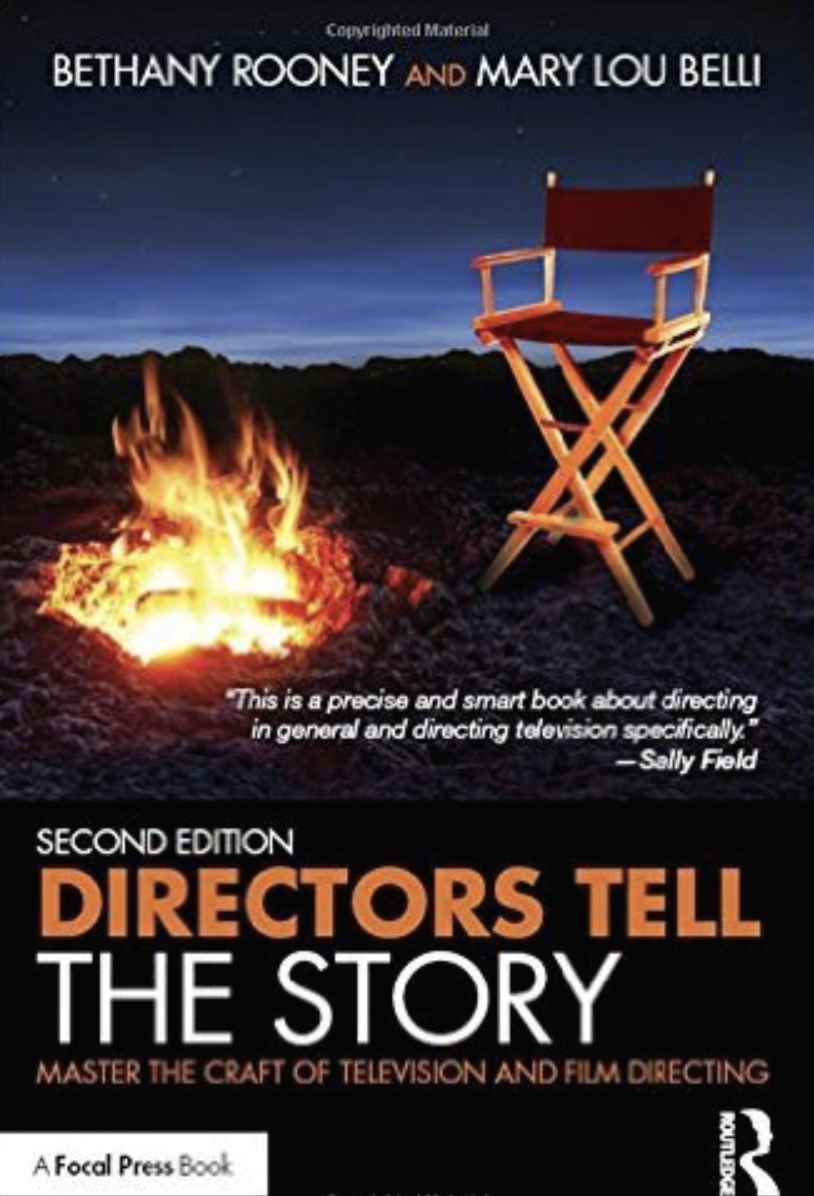
            Prep like a working TV director! This is a 3 hour interactive class where you explore casting, production design, script breakdown,  scene blocking and shot listing.  You then compare your work to an actual episode that has already aired and evaluate how your choices would be another option, or what you might change to make the work more “shootable.”

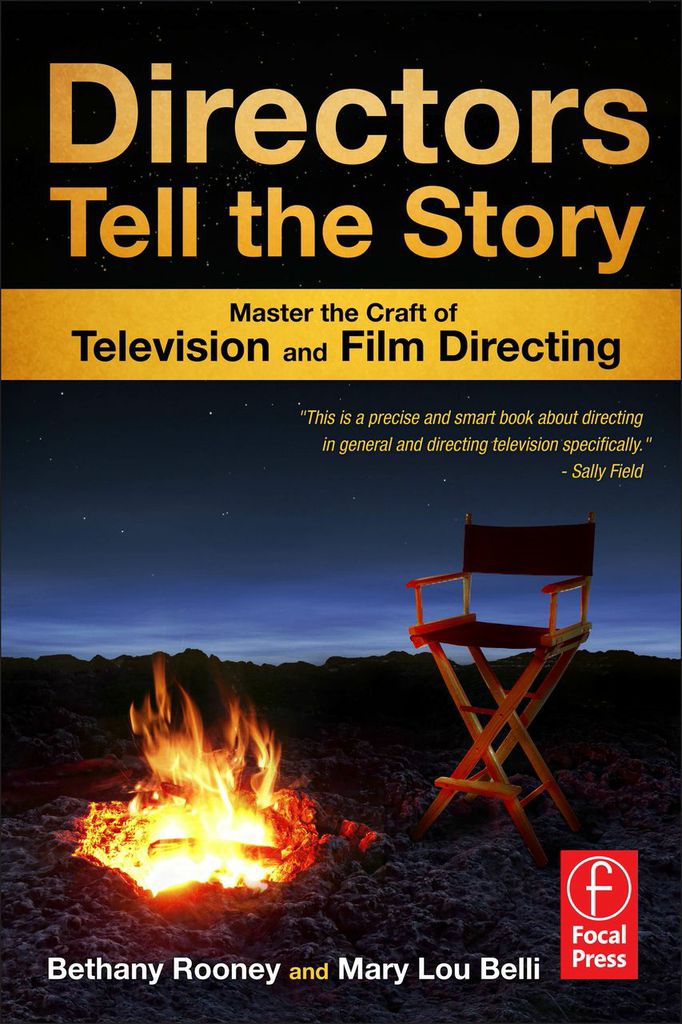
            BONUS: Copy of “Directors Tell the Story,” included with the price of class.  

            WHERE:
            Available anywhere in the world.

            WHEN:
            I book these around my directing schedule.

             
          • Sitcom Boot Camp Weekend

            [yellow-background-start]

            This three-day overview combines “The Sitcom Basics,” where you’ll learn to find and deliver the jokes followed by the “Multi-Camera Sitcom Intensive,” where you simulate the experience you would have if you were working on a sitcom — including shooting. We laugh, we bond, we share.

            This on-location class is often offered at universities, acting schools, and conference facilities across the country. Students can enroll just for “The Sitcom Basics,” however the “Multi-camera Sitcom Intensive,” requires attendance at “The Basics.” The class capacity is 20 students, but up to 30 more students can audit “The Basics.”

            BONUS: I offer “The NEW Sitcom Career Book,” at a discount.

            [purple-background-start]

            WHERE:
            Available as an add-on to any Los Angeles acting school curriculum or location anywhere in the world.

            WHEN:
            I book these around my directing schedule. Friday runs 90 minutes and Saturday and Sunday each runs 6 hours plus a 30 minute break for lunch.


            [green-background-start]

            For questions about classes
            fill out the form below:

              Your Name (required)

              Your Email (required)

              Subject

              Your Message